Mastering Vintage Texture: A Practical Guide to the Letterpress Procreate Lettering Brush
Digital illustration has evolved significantly, moving beyond clean vectors and flat colors to embrace the tactile imperfections of traditional media. For artists, designers, and hobbyists seeking to replicate the organic feel of ink on paper, the Letterpress Procreate Lettering Brush offers a specialized solution. This tool is designed specifically for those who appreciate the aesthetic of old-world printing, combining the precision of digital lettering with the unpredictable charm of vintage textures.
Understanding whether this brush set fits your workflow requires looking beyond marketing claims. It involves evaluating how textured brushes function within the Procreate ecosystem, comparing them to standard smooth brushes, and determining if the specific "grunge" aesthetic aligns with your artistic goals. This guide explores the practical applications, strengths, and limitations of using a letterpress-style brush for hand lettering and painting.
Defining the Letterpress Aesthetic in Digital Art
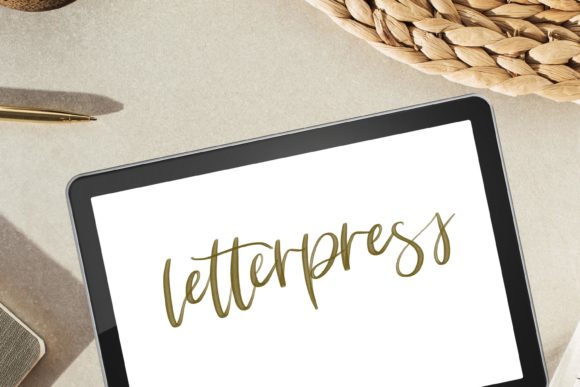
The term "letterpress" historically refers to a relief printing technique where raised surfaces are inked and pressed into paper. The resulting impression often features slight irregularities, ink bleed, and a distinct texture that modern digital fonts rarely capture. The Letterpress Procreate Brush for Hand Lettering and Painting aims to digitize this experience. Unlike standard calligraphy brushes that produce uniform, crisp lines, this tool introduces elements of grit, grunge, and fuzzy edges to every stroke.
What makes this brush distinct is its ability to simulate the physical interaction between ink and textured paper. When you use a Procreate Calligraphy Brush with Old Vintage Antique Grunge Brush Texture, the output is not just a shape; it is a composition of micro-details. These include blotchy ink distribution, blurry edges that mimic absorption, and a general sense of age. For artists working on projects that require a nostalgic or artisanal feel, these details are crucial. They add depth and character that clean, vector-like lines cannot achieve on their own.
Comparing Textured Brushes to Standard Digital Tools
When evaluating digital lettering tools, it is helpful to categorize them into two main groups: smooth/modern and textured/vintage. Most default Procreate brushes fall into the former category. They are optimized for clarity, scalability, and ease of editing. However, this cleanliness can sometimes result in artwork that feels sterile or overly manufactured.
The Letterpress Procreate Lettering Brush sits firmly in the textured category. Here is how it compares to standard options:
- Edge Quality: Standard brushes have sharp, defined edges. The letterpress brush produces soft, irregular edges that mimic ink bleed. This reduces the need for manual texturing in post-production.
- Consistency: Modern calligraphy brushes offer high consistency, making them ideal for corporate logos or clean typography. The letterpress brush introduces intentional inconsistency, which is better suited for artistic posters, book covers, and social media graphics that aim for a handmade look.
- Layering Behavior: Smooth brushes layer cleanly. Textured brushes, such as those with grit, grunge, fuzzy, blurry, blotchy, bleed characteristics, interact complexly when overlapped. This can create rich, deep blacks or muddy areas if not managed carefully, requiring a different approach to layer management.
For users accustomed to precise digital inking, switching to a textured brush like the Letterpress Procreate Brush may initially feel less controllable. However, this lack of perfect control is often the desired feature, as it breaks the digital perfection that can make art feel impersonal.
Ideal Use Cases and Creative Applications
Choosing the right tool depends heavily on the end goal of your project. The Letterpress Procreate Lettering Brush is not a one-size-fits-all solution, but it excels in specific scenarios where atmosphere and mood are prioritized over geometric precision.
Branding and Packaging Design
Many modern brands seek to convey authenticity and craftsmanship. A logo or packaging element created with a textured lettering brush can instantly communicate values of heritage, quality, and artisanal production. For example, a coffee shop brand might use this brush to create a label that feels like it was stamped by hand, contrasting effectively with the sleek minimalism of tech-oriented competitors.
Social Media and Content Creation
In a feed dominated by polished, high-resolution images, content with a vintage or old brush aesthetic can stand out due to its tactile warmth. Artists creating quotes, invitations, or promotional graphics can use the Letterpress Procreate Brush for Hand Lettering and Painting to add visual interest without needing complex background textures. The brush itself provides the necessary visual noise to keep the viewer engaged.
Digital Illustration and Storytelling
Illustrators working on children’s books or historical narratives often need text that integrates seamlessly with painted backgrounds. A smooth texture brush might look pasted on, whereas a brush with bleed and grunge properties appears to sit naturally within the illustrated world. This integration reduces the disconnect between text and image, enhancing the overall storytelling experience.
Technical Considerations and Limitations
While the aesthetic benefits are clear, there are technical tradeoffs to consider when using a Procreate Calligraphy Brush with heavy texture. Understanding these limitations helps prevent frustration and ensures efficient workflow.
Scalability Issues: Because the texture is baked into the brush stroke, scaling up a small lettering piece can result in pixelation or loss of detail in the grain. It is generally advisable to create lettering at the final size or larger, rather than scaling up small sketches. This differs from vector-based workflows where scalability is infinite.
Editing Complexity: Clean lines are easy to adjust with warp or liquify tools. Textured lines with irregular edges can become distorted if manipulated too aggressively. Artists may find themselves spending more time getting the initial stroke right rather than relying on post-stroke adjustments. This requires a shift in mindset from "fix it later" to "get it right now."
File Compatibility: It is important to note that this is a Digital files. Instant Download. No physical product will be shipped. Users must ensure they are working within the Procreate environment on an iPad. The brush files are not compatible with desktop software like Photoshop or Illustrator unless converted, which may alter the texture behavior. Therefore, the workflow is strictly tied to the iPad and Procreate ecosystem.
Decision Factors: Is This Brush Right for You?
Deciding whether to incorporate the Letterpress Procreate Lettering Brush into your toolkit involves assessing your current style and project needs. Consider the following factors:
- Aesthetic Preference: Do you frequently find yourself adding noise overlays or texture masks to clean lettering? If so, this brush can streamline that process by building texture directly into the stroke.
- Project Type: If your work primarily involves corporate identity, technical diagrams, or ultra-modern minimalism, a clean brush may be more appropriate. However, for editorial design, wedding invitations, or artistic posters, the vintage appeal is a significant asset.
- Workflow Speed: While textured brushes can reduce post-processing time, they may slow down the initial lettering phase due to the need for careful stroke execution. Evaluate whether this tradeoff benefits your specific workflow.
- Learning Curve: Using a brush with fuzzy and blotchy characteristics requires practice to master pressure sensitivity and angle. Beginners may find it challenging to achieve consistent results initially, but the learning process can improve overall hand-lettering skills.
Practical Tips for Best Results
To maximize the potential of the Letterpress Procreate Lettering Brush, consider these practical tips:
- Experiment with Paper Textures: Place your lettering layer over a scanned paper texture background. Set the blending mode to Multiply or Darken to enhance the illusion of ink soaking into paper.
- Adjust Opacity: Lowering the opacity of the brush can create subtle, washed-out effects that mimic aged printing. This is particularly effective for background elements or secondary text.
- Combine with Clean Fonts: Pair the textured brush with a clean, sans-serif font for body text. This contrast creates visual hierarchy and ensures readability while maintaining the vintage aesthetic for headlines.
- Use High-Resolution Canvases: To preserve the intricate details of the grunge and grit, always work on high-resolution canvases. This ensures that the texture remains crisp and detailed, even when viewed closely.
If you encounter difficulties installing or using the brush, remember that support is available. The creator notes: "Don’t hesitate to contact me if you have problems using this product. I’ll do my best to help 🙂." This level of support can be valuable for users new to custom brush installation on iPad.
In conclusion, the Letterpress Procreate Lettering Brush is a powerful tool for artists seeking to infuse their digital work with the warmth and character of traditional printing. By understanding its unique properties, comparing it to standard options, and recognizing its ideal use cases, you can make an informed decision about whether it fits your creative toolkit. Whether you are a seasoned illustrator or a hobbyist exploring modern calligraphy and modern lettering, this brush offers a pathway to more expressive and authentic digital art.